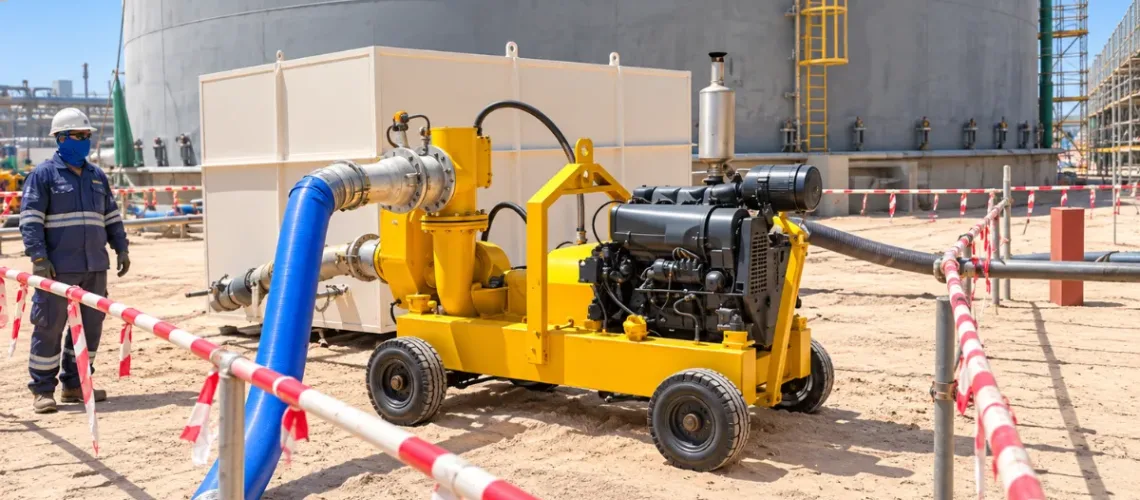
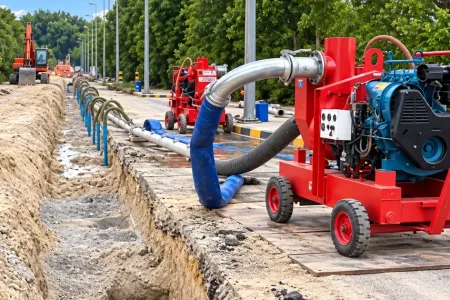
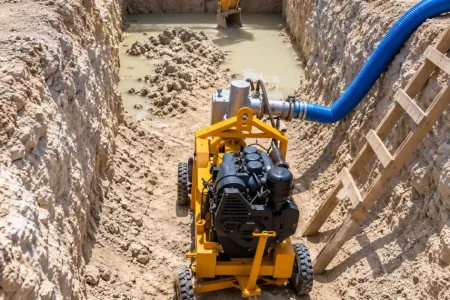
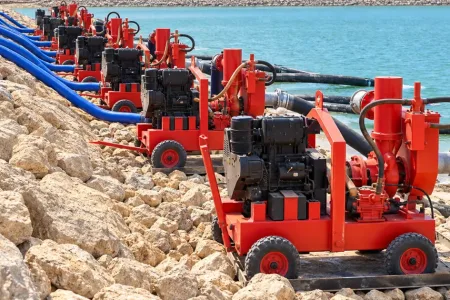
Dewatering Companies in Oman: A Buyer’s Guide to Choosing the Right Partner

Choosing a dewatering company is not only about finding a pump supplier. The right company should understand groundwater conditions, pump selection, dewatering methods, accessories, project duration and site requirements before recommending equipment. For contractors working in Muscat, Sohar, Duqm, Salalah, Nizwa and other project areas in Oman, choosing the right dewatering partner can make a major difference to project continuity, equipment performance and overall cost. This buyer’s guide explains what to check before selecting a dewatering company in Oman and how to compare available suppliers more effectively.

A good dewatering supplier should first understand why the water needs to be removed. Construction dewatering may involve excavation water, groundwater, trench drainage, foundation works, pipeline projects, wellpoint systems or temporary water transfer. A company that immediately recommends a pump only by size — such as “6 inch” or “8 inch” — without asking about the application may not be considering the complete requirement. TARIS approaches pump selection around the application, flow, head, suction condition, water quality and operating duty, helping customers identify a more suitable pumping arrangement.

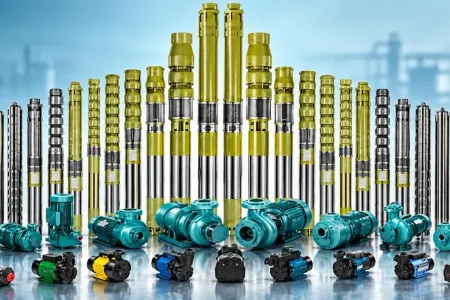
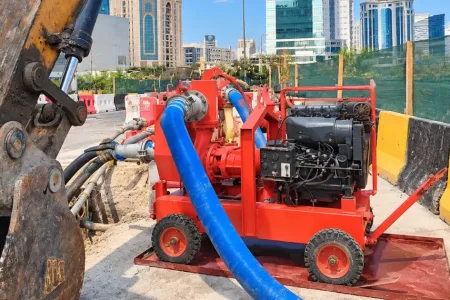
Not every project needs the same pump. A capable dewatering company should be able to support different equipment depending on site conditions, including self-priming centrifugal pumps, vacuum-assisted pumps, submersible pumps, sewage or dirty-water pumps and larger high-flow pumping solutions. This is especially important in Oman, where project requirements can range from urban construction to infrastructure, industrial, mining and remote-site pumping. TARIS supports multiple pump categories rather than limiting customers to one pump type.

This is one of the most important checks for any buyer. Pump size alone does not determine performance. A proper supplier should ask about: Required flow, total head, suction depth, discharge distance, water condition and operating hours. For example, two 6 inch pumps can have very different performance curves. A company that understands pump duty will normally recommend equipment based on actual operating requirements, not just the inlet and outlet size.

A pump cannot operate effectively without the correct accessories. Depending on the project, the system may require suction hoses, layflat discharge hoses, steel-wire hoses, strainers, couplings, flanges, reducers, bends, header pipes, wellpoints and sedimentation tanks. Choosing a supplier capable of supporting more of the complete system can make procurement easier and reduce compatibility issues between pumps and accessories. TARIS supports pump requirements together with dewatering hoses, fittings, couplings, wellpoints, header pipes and related accessories.

5. Do They Understand Different Dewatering Methods?

A dewatering company should understand that sump pumping, wellpoint dewatering and deep-well dewatering are different approaches. For example, a simple sump pump may be enough for accumulated rainwater, while an excavation affected by continuous groundwater may need a wellpoint or other groundwater-control arrangement. The supplier should help identify whether the requirement is simply water removal or actual groundwater lowering. That distinction can prevent customers from selecting equipment that is powerful but unsuitable for the site method.

6. Can They Support Both Purchase and Project-Based Requirements?

The best commercial option depends on how long the equipment will be required. For repeated projects or long-term operation, purchasing may offer better value. For temporary work, emergency requirements or short-duration construction projects, rental or project-based supply may be more practical. When comparing dewatering companies in Oman, buyers should check what commercial options are available and whether the supplier can support both immediate and planned requirements. TARIS can support equipment enquiries based on project duration, availability and required configuration

Dewatering pumps often operate for long hours. Filters, belts, seals, starter components and other wear or service parts may eventually need attention. A supplier should therefore be able to discuss: Maintenance requirements, common spare parts, service access and replacement components. This becomes particularly important for continuous construction or groundwater-control projects where unexpected pump downtime can affect site progress.

8. Can the Supplier Support Oman Project Locations?

Buyers should also check how the supplier handles regional project requirements. For Oman projects, this can include equipment supply or sourcing requirements for Muscat, Sohar, Duqm, Salalah, Nizwa, Seeb, Sur, Barka, Rustaq and Ibri. TARIS supports dewatering pump and equipment enquiries for Oman projects from its UAE base, with requirements handled according to product availability, specification and project needs.

Quick Buyer Checklist

What to CheckWhy It Matters
Application understandingHelps identify the correct dewatering method
Flow & head selectionPrevents undersizing or oversizing
Pump rangeGives more suitable equipment options
AccessoriesEnsures complete system compatibility
Wellpoint knowledgeImportant for groundwater lowering
Spare parts supportReduces downtime risk
Purchase / project optionsHelps control project cost
Technical responseMakes quotation comparison easier

What Information Should You Send to a Dewatering Company?

For a more accurate quotation, send:

Project application, required flow if known, total head, excavation depth, groundwater condition, suction depth, discharge distance, preferred pump size, diesel or electric preference, quantity and project location in Oman.

If these technical details are not yet available, site photographs, drawings or a basic description of the water problem can still help start the selection process.

Why Consider TARIS for Oman Dewatering Requirements?

TARIS supports contractors and project customers with a wider pumping package rather than only supplying a standalone pump.

The available scope can include dewatering pumps, submersible pumps, sewage pumps, hoses, couplings, fittings, wellpoints, header pipes, sedimentation tanks, valves, pump spares and related equipment.

For Oman enquiries, customers can share the project requirement first so equipment can be matched more closely to the actual pumping duty.

Icon min 1

The Right Dewatering Partner Starts with Understanding the Site.

Taris Pumps

Frequently Asked Questions

Look for a supplier that understands pump flow, total head, groundwater conditions, dewatering methods, accessories and project operating requirements rather than selecting pumps only by size.

They should normally ask about flow, head, suction depth, water condition, discharge distance, operating hours, application and project location.

Buying may suit repeated or long-term projects, while rental can be practical for temporary or short-duration requirements. Compare total project cost rather than only the initial equipment price.

No. Excavation depth, groundwater level, flow, head, solids and dewatering method vary between projects, so pump selection should match the actual duty.

Depending on the system, accessories may include suction hoses, discharge hoses, strainers, couplings, fittings, reducers, header pipes, wellpoints and sedimentation tanks.

Need Equipment? Let's Connect

CAPTCHA image

This helps us prevent spam, thank you.

Ask an expert